Territory & Origin
Where Brazilian Coffee Begins.
Denominations of origin
Brazilian coffee origins are officially recognized through Geographical Indications (GIs), including Denominations of Origin (DO) and Indications of Provenance (IP).
Geographical Indications help add value to coffee producers by increasing income and strengthening competitiveness in the global market.
They also reinforce regional identity and protect the name of the producing area, consolidating its reputation over time.
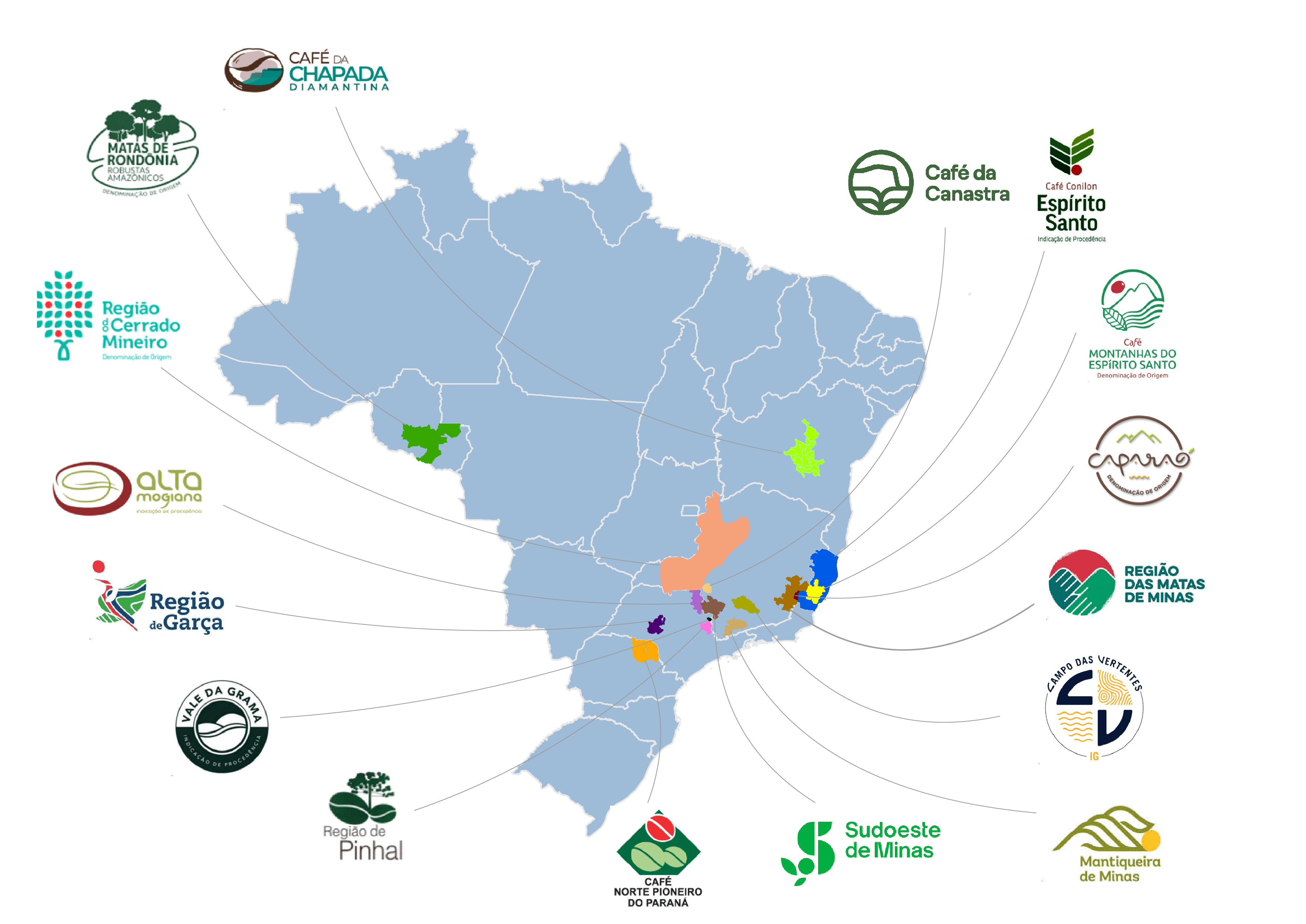
The 6 main coffee-producing states
01. Minas Gerais
Production value: BRL 35,135,844 million (2024)
Quantity produced: 1,687,329 tonnes (2024)
Largest producing municipality: Patrocínio, Minas Gerais (2024)
06. Paraná
Production value: BRL 815,788 million (2024)
Quantity produced: 40,206 tonnes (2024)
Average yield: 1,549 kg per hectare (2024)
05. Rondônia
Production value: BRL 2,901,625 million (2024)
Quantity produced: 170,232 tonnes (2024)
- Largest producing municipality: Nova Brasilândia d’Oeste, Rondônia (2024)
02. Espírito Santo
Production value: BRL 16,738,331 million (2024)
Quantity produced: 881,653 tonnes (2024)
Largest producing municipality: Rio Bananal, Espírito Santo (2024)
03. São Paulo
Production value: BRL 8,555,324 million (2024)
Quantity produced: 335,310 tonnes (2024)
Largest producing municipality: Pedregulho, São Paulo (2024)
04. Bahia
Production value: BRL 4,022,714 million (2024)
Quantity produced: 219,150 tonnes (2024)
Largest producing municipality: Itamaraju, Bahia (2024)
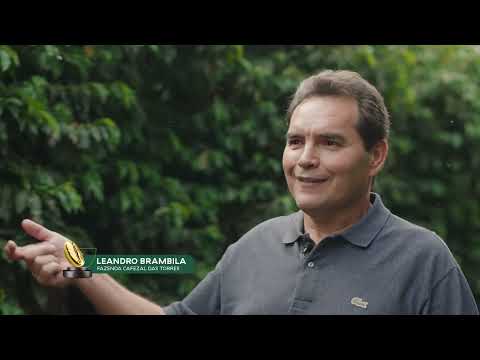
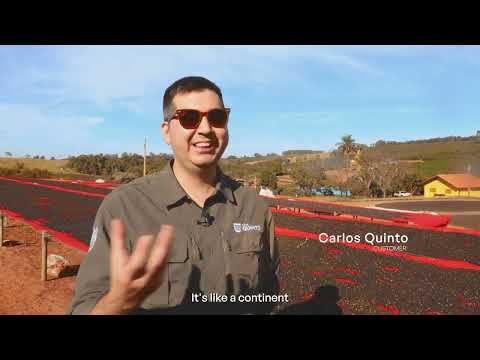
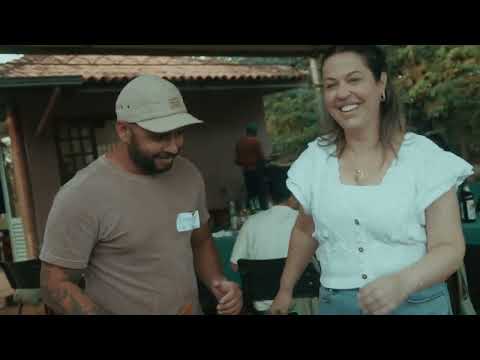
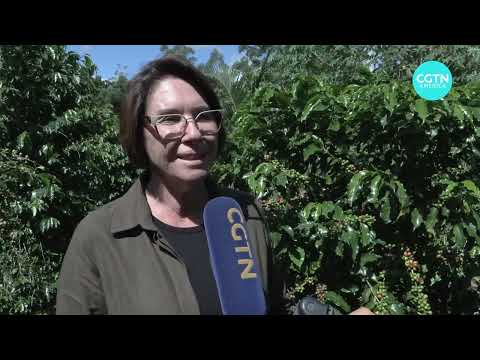
''When a family has been producing coffee since 1901, it means it’s generational. The know-how of producing coffee has been passed down within this family across multiple generations. And this is something unique about Brazil.
We have to keep in mind that Brazil is the largest producer of Arabica coffee in the world. And unfortunately, within the specialty coffee world, there is still a negative perception. Many people see Brazil mainly as a commercial coffee producer, forgetting that exceptional coffees come from Brazil. That perception needs to change. Honestly, some of the best coffees we have tasted over the past six years have come from Brazil.”
Cerrado Mineiro. The first coffee Denomination of Origin in Brazil.
Cerrado Mineiro is one of Brazil’s most structured and internationally recognized coffee origins, built on a long history of innovation, collective organization, and origin protection.
Officially recognized as a coffee-growing region in 1972 by Brazil’s former Coffee Institute (IBC), the Cerrado Mineiro quickly became a hub for research, technology, and professionalized production. Producers in municipalities such as Patrocínio, Araguari, and Carmo do Paranaíba organized cooperatives and associations, leading to the creation of CACCER (Council of Cerrado Coffee Growers Associations) and the launch of the Café do Cerrado origin brand—one of the earliest efforts in Brazil to link coffee quality directly to place of origin.
A major milestone came in the 1998/99 harvest, when Cerrado Mineiro became the first coffee region in Brazil to issue Certificates of Origin, paving the way for official Geographical Indication (GI) seals. This progress was not without challenges: the price crises of the 1980s and 1990s and the dissolution of the IBC deeply affected Brazilian coffee as a whole. In response, Cerrado producers doubled down on efficiency, technology, and—above all—quality, a strategic shift that cemented the region’s reputation for specialty coffees.
In 2005, Cerrado Mineiro earned the Indication of Procedence (IP) seal, and in 2013 it achieved the Denomination of Origin (DO)—becoming the first coffee Denomination of Origin in Brazil. Only coffees produced within the 55 officially demarcated municipalities, under strict criteria (minimum altitude of 800 meters, 100% Coffea arabica, minimum score of 80 points, among others), are allowed to carry the Cerrado Mineiro name.
This pioneering model places Cerrado Mineiro alongside renowned European wine and cheese appellations. Today, the Federation of Cerrado Coffee Growers ensures that every certified lot faithfully expresses the region’s terroir, authenticity, and living history.
Key Production Figures (Updated)
- 55 municipalities within the GI-protected area
- Around 4,500 producers, from family farms to large estates
- Over 230,000 hectares planted with coffee
- Average altitude between 800 and 1,300 meters, enhancing sweetness and complexity
- 6 million 60-kg bags per year on average, with peaks above 7 million bags
- Represents 12–15% of Brazil’s total coffee production
- Accounts for 25% of Minas Gerais’ coffee output
- Approximately 70% exported
- Main markets: Europe, United States, Asia, and Oceania
- Official seals: Indication of Procedence (2005) and Denomination of Origin (2013)
Strategic Gateway of Brazilian Coffee to the World.
The Port of Santos is a cornerstone of Brazil’s coffee territory and a decisive element in the country’s global leadership as the world’s largest coffee producer and exporter. More than a logistics hub, Santos is the primary gateway through which Brazilian coffee connects its diverse producing regions to international markets.
Historically, the port played a central role in the consolidation of Brazil’s coffee economy, structuring export routes and enabling the country’s integration into global trade since the nineteenth century. This legacy continues today through a modern, large-scale logistics system that supports the export of green coffee, specialty coffees, soluble coffee, and value-added products.
Currently, the Port of Santos handles over 70% of Brazil’s total coffee exports, serving as the main outlet for both arabica and canephora coffees. Its infrastructure combines container terminals, multimodal connections, and access to major global shipping lines, ensuring efficiency, reliability, and international compliance for exporters and importers alike.
Within the context of Territory & Origin, Santos represents the final link in the geographic journey of Brazilian coffee — the point where origin, production, and quality converge with global distribution. It is at the port that regional identities, harvests, and supply chains transition from national territory to the international stage.
Looking ahead, continued investments in modernization, digitalization, and sustainability are essential to maintain the port’s competitiveness amid growing export volumes and increasing global demands for transparency, traceability, and environmental responsibility.
Coffee Museum - Santos
A place that brings together tradition, architecture, history, flavors and aromas. Installed in an eclectic-style building, with an area of 6,000 m² and more than 200 doors and windows, the Coffee Museum, inaugurated in 1998, is much more than a tourist attraction that showcases the number one Brazilian export at the end of the 19th century. It is an experience of various sensations, from the cultivation of the bean to the consolidation of coffee as one of the national symbols. Permanent and temporary exhibitions, works of art, period furniture, themed shop and a café serving the best coffee beans – including the most expensive and rarest in the country – are some of its many attractions.
Cooxupe, the largest coffee cooperative in the world
In a universe of more than 13 thousand cooperative producers, Cooxupé is recognized as one of the largest coffee cooperatives in the world and maintains the leadership in its segment for always being in search of pioneering and innovation, following the trends of the national and international market. In this context, the cooperative constantly strives to comply with the norms imposed by the market, guaranteeing the origin and quality of the coffee. Today, through its cooperative members, Cooxupé has the largest group of certified farms in the world, with approximately 10 thousand hectares. We are part of important programs of our clients, such as Nespresso AAA ™, C.A.F.E Practices, 4C, Rainforest Alliance, UTZ, Nescafeplan, Illy, among others. Besides that, since September 1998, Cooxupé is also certified by the Management System ISO 9001.
Amazonian Robusta Coffee Gains Global Spotlight
Amazonian robusta coffee is stepping onto the international stage through strategic actions led by ApexBrasil, connecting producers from the North of Brazil with buyers from the Americas, Europe, the Middle East, and Asia. Cupping sessions, technical farm visits, and business meetings in Acre and Rondônia highlighted the quality, sustainability, and innovation behind Amazon-origin canephora coffees, reinforcing their growing recognition in the specialty and premium segments.
The initiative marks an important milestone for the internationalization of Amazonian robusta, including the launch of The Best of Canephora, the first international competition dedicated to this origin, and new investments in professional training and market access. With rapid productivity growth and increasing export volumes, Amazonian robusta is redefining perceptions of Brazilian coffee—showcasing diversity, origin value, and the region’s strategic role in the future of sustainable global coffee production.
Coffee cooperatives and associations


The people behind the farms



Want to be part of the Brazilian Coffee Dossier?

© Filtra Labs 2025 All rights reserved.